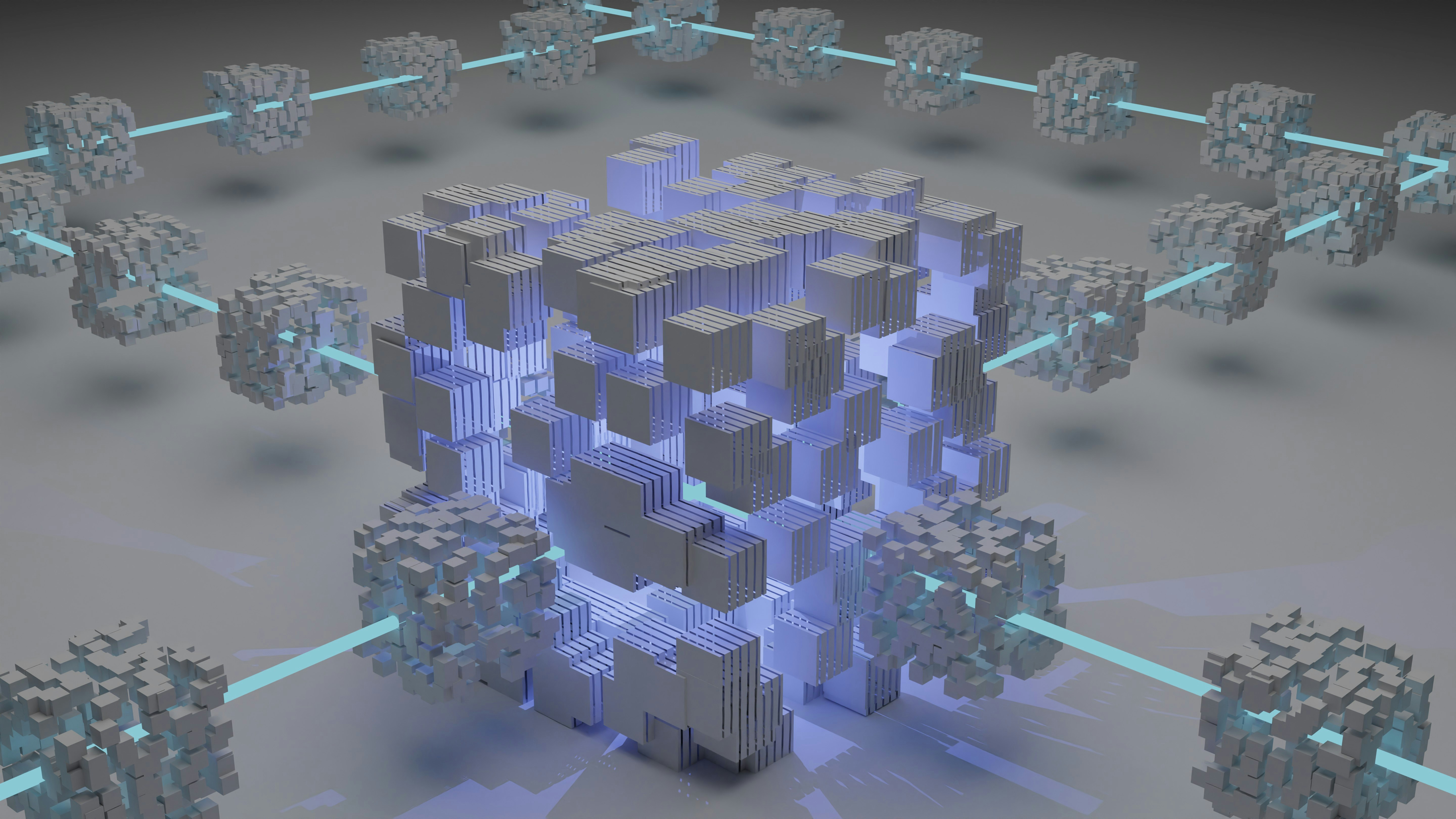
The Multi-Chain Reality
The blockchain ecosystem has evolved from a single-chain world (Bitcoin) to a multi-chain reality with hundreds of independent networks. Ethereum, Solana, Avalanche, Cosmos, and Polkadot each have their own execution environments, consensus mechanisms, and state machines. Assets and data on one chain are natively invisible to all others.
This fragmentation creates a fundamental need for interoperability: the ability to move assets and messages between independent blockchains. Cross-chain bridges and communication protocols are the infrastructure that makes this possible.
Bridge Architectures
Cross-chain bridges come in several architectural forms:
-
Lock-and-mint bridges: Assets are locked on the source chain, and equivalent “wrapped” tokens are minted on the destination chain. This is the most common design, used by Wormhole, Polygon Bridge, and Avalanche Bridge.
-
Liquidity networks: Pre-funded pools of assets exist on both chains, and transfers are netted against these pools. This eliminates the need for wrapping but requires significant liquidity.
-
Light client bridges: The destination chain runs a light client of the source chain, verifying state transitions cryptographically. The Cosmos IBC (Inter-Blockchain Communication) protocol is the most prominent example.
The Security Problem
Cross-chain bridges have been the single largest source of crypto exploits, with over $2.5 billion stolen in bridge hacks. The fundamental challenge is that bridges create a concentrated point of failure: if the bridge’s smart contracts or validator set are compromised, all assets secured by the bridge are at risk.
Cross-chain bridges remain the Achilles’ heel of the multi-chain ecosystem. No bridge architecture has yet achieved the security guarantees of the underlying chains it connects.
Emerging solutions include zero-knowledge bridges that cryptographically verify cross-chain state transitions, and intent-based bridging where market makers fill cross-chain orders without a centralized lock-and-mint contract. Both approaches aim to eliminate the concentrated risk that has plagued first-generation bridges.