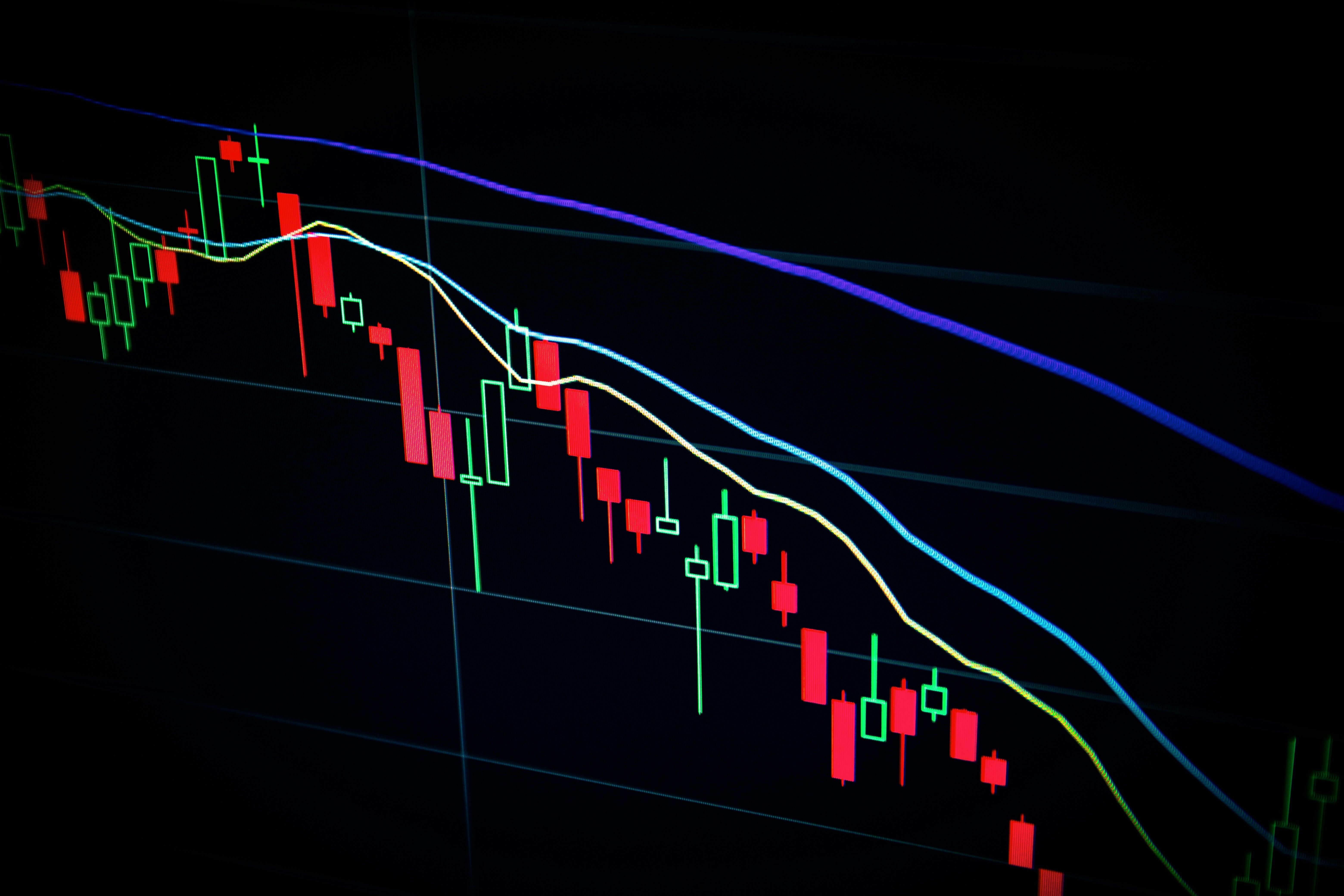
The Algorithmic Trading Gap
For decades, algorithmic trading was the exclusive domain of institutional investors. Hedge funds and proprietary trading firms invested millions in co-located servers, FPGA-based execution engines, and direct market data feeds to shave microseconds off their trade execution. Retail investors, by contrast, were limited to basic market and limit orders on consumer brokerage apps.
That gap is narrowing rapidly. API-first brokerages like Alpaca, Interactive Brokers, and Tradier now provide retail developers with programmatic access to the same execution infrastructure that professionals use. Combined with cloud computing, open-source backtesting frameworks, and free market data, the barriers to algorithmic trading have never been lower.
The Modern Retail Algo Stack
A typical retail algorithmic trading system today involves:
- Market data ingestion: Streaming Level 1 and Level 2 data via WebSocket APIs
- Signal generation: Python-based statistical models running on cloud instances
- Risk management: Pre-trade checks for position sizing, exposure limits, and pattern day trading rules
- Order execution: REST or WebSocket order submission with smart routing
- Performance analytics: Automated tracking of slippage, fill rates, and strategy P&L
The Regulatory Boundary
While the technology has democratized, the regulatory framework has not. Pattern day trading rules, margin requirements, and suitability obligations still apply. More importantly, strategies that manipulate markets—spoofing, layering, wash trading—are illegal regardless of whether they’re executed by a hedge fund or a Raspberry Pi in a dorm room.
The SEC and FINRA have made it clear that algorithmic trading regulations apply equally to retail traders who deploy automated strategies.
The democratization of algorithmic trading is a technological success story, but it must be paired with financial literacy and regulatory awareness to be sustainable.